

Good observation is one of the most critical skills for safe and effective driving. It involves constantly scanning your surroundings, anticipating hazards, and making informed decisions based on what you see. Whether you’re a learner or an experienced driver, strong observational habits reduce risk and improve confidence behind the wheel.
Observation starts before you even move off. Using the POM routine (Prepare, Observe, Move), drivers check mirrors and blind spots to ensure it’s safe to join traffic. Once moving, observation becomes a continuous process. Drivers must monitor the road ahead, side mirrors, rear-view mirror, and peripheral vision to maintain full situational awareness.
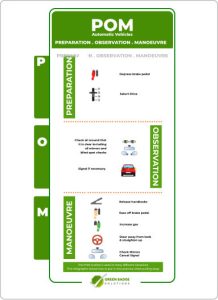
Key areas to observe include:
• Pedestrians and cyclists, especially near crossings or junctions
• Road signs and markings, which provide vital instructions and warnings
• Other vehicles, including their speed, position, and signals
• Hazards, such as parked cars, potholes, or changing weather conditions
Effective observation also means looking well ahead, not just at the vehicle in front. This helps anticipate traffic flow, spot brake lights early, and prepare for roundabouts, bends, or lane changes. At junctions, roundabouts, and when merging, early and repeated checks are essential to avoid collisions.
Blind spot checks are especially important when changing lanes, overtaking, or pulling away. Relying solely on mirrors can miss nearby road users, particularly cyclists or motorbikes.
Observation should be paired with good judgement. Spotting a hazard is only useful if the driver responds appropriately—slowing down, adjusting position, or choosing a safer route.
Instructors often teach learners to use a mirror-signal-manoeuvre routine, reinforcing the link between observation and action. Over time, these habits become second nature, helping drivers stay calm and in control.
Ultimately, good observation is about being proactive, not reactive. It’s the foundation of defensive driving and a key factor in passing the UK driving test. By staying alert, scanning effectively, and anticipating what others might do, drivers create safer roads for everyone.